


Project Background: Visual Appeal Decides the Outcome, but Which Style Actually Converts?
For a dress-up mobile game, creative style can make or break performance. At the start of the project, our biggest unknown was which fashion direction would resonate most with overseas players: palace-inspired looks, luxury aesthetics, or modern styling.
Going straight into full-scale Google UAC buying would have forced the algorithm to burn through a large share of the budget just to "guess" what people liked. For a project with a total budget of only $30K, that was far too risky.
So we built a phased approach: test on X first, then scale with Google UAC.
Strategy Breakdown: Use a Small Budget to Unlock Big Reach
Step 1: Turn X Ads into a Creative Testing Lab
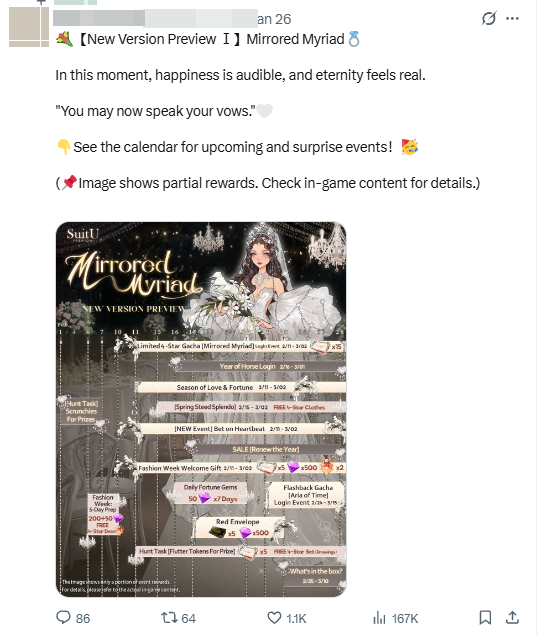
We started by running a tightly targeted X Ads campaign with roughly 160,000 impressions.
X users tend to skew younger and are highly responsive to anime-style and visually driven content, which made the platform a strong fit for creative testing.
- Execution: We launched four creative groups built around different visual styles. Instead of optimizing for deep conversion, we focused on CTR and engagement rate.
- Finding: The data showed that the "modern sweet-cool" visual style outperformed the more traditional palace-themed assets by nearly 40% in click-through rate. That low-cost test gave us a clear creative direction for the scale phase.
Step 2: Scale the Winning Creative Through Google UAC
Once we had a clear winner from X Ads, we moved the best-performing creative into Google UAC and shifted to conversion-focused bidding.
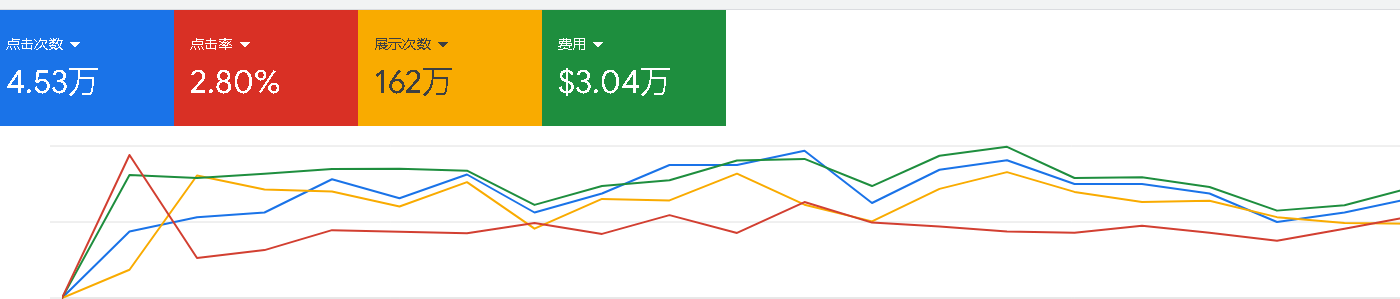
- Why the 2.80% CTR mattered: Backend trend data showed that CTR stayed stable at 2.80% as spend increased. For casual mobile games, CTR often sits closer to 1% to 1.5%. That told us the pre-tested creative was hitting the right aesthetic trigger, so Google did not need to waste budget on inefficient exploration. It could move directly into a stronger acquisition phase.
- Maximizing a $30K budget: Over the full campaign, we spent $30.4K, which delivered 1.62 million impressions and 45,300 high-intent clicks. Because the machine-learning system was being fed proven creative instead of random assets, scale improved without sacrificing user quality.
Results: 12,000+ Downloads at a Manageable Acquisition Cost
The campaign brought in more than 12,000 real activated users.
The bigger lesson is strategic: when budget is limited, it is risky to rely on algorithmic auto-optimization alone. A smarter path for mid-sized mobile game launches is to test creative cheaply on social first, then let Google UAC scale only what has already proven it can win attention.