

Project Background: The Risky Leap from Selling Products to Building a Brand
The client had been a classic Amazon seller, surviving on supply chain efficiency and aggressive pricing. But with tighter marketplace rules and rising traffic costs, moving toward a branded independent site became urgent.
The question was straightforward but difficult: once you leave behind Amazon's built-in traffic, how do you find the right buyers with a limited budget?
Our answer was to avoid broad, wasteful acquisition and instead combine Google Performance Max for demand capture with Twitter community influence for early trust building.
Strategy Deep Dive
1. Traffic Engine: How We Tuned Google PMax for an Unusually High CTR
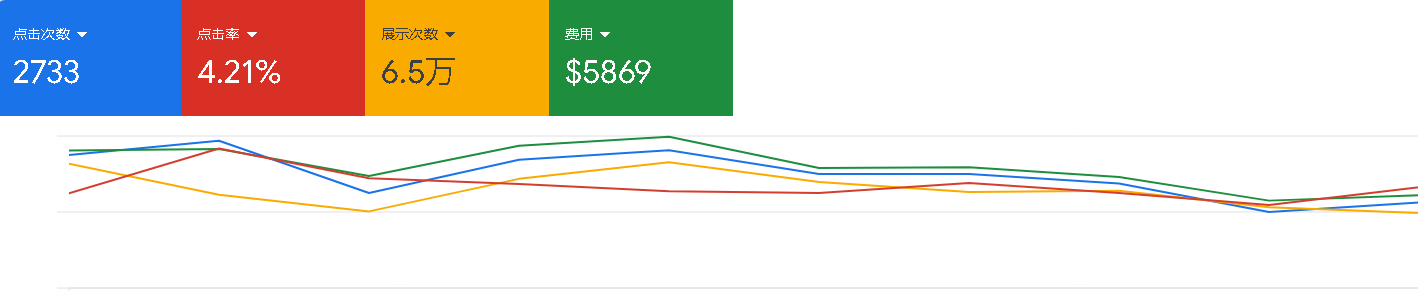
Many advertisers complain that PMax feels like a black box that can burn through budget without explanation. In this campaign, however, we achieved a 4.21% CTR, well above what is typical in the consumer tech hardware category.
That means more than 4 out of every 100 people who saw the ad clicked, which is rare in a relatively cold and rational purchase category.
- The logic behind the numbers: With only about $6,000 to test, we could not rely on machine learning alone and hope for the best. Instead, we intervened by feeding the system stronger signals:
- Audience signal correction: We uploaded the brand's high-value historical Amazon customer data so Google could look for users similar to proven buyers rather than drifting into generic traffic.
- Value-oriented bidding: Instead of optimizing for as many conversions as possible, we used a Target ROAS strategy. That meant giving up some lower-quality traffic in exchange for protecting margin and revenue quality.
2. Awareness Engine: Building Brand Trust Inside the Twitter Tech Community
Why did PMax achieve such a strong CTR? Good campaign settings mattered, but the bigger reason was that users had already formed some degree of brand familiarity before they searched.
We ran dense, focused content penetration inside relevant Twitter/X tech communities.
- Reviews worked better than hard ads: Instead of pushing direct promotional creatives, we collaborated with tech creators on teardown-style reviews, detailed parameter comparisons, and enthusiast-friendly product content. That material was much more likely to be shared and discussed by the right audience.
- Search lift followed exposure: Once users were exposed to the product on X, many went to Google and searched for the brand directly. PMax then captured traffic that arrived with built-in trust, which naturally lifted both CTR and conversion rate.
3. Asset Accumulation: Turning One-Off Orders into Long-Term Brand Equity
The biggest win from this campaign was not just $300K in monthly sales. It was the creation of a meaningful owned audience base for the independent site.
- Unlike Amazon, where buyers remain mostly anonymous to the brand, the standalone store gave us access to email data and pixel data.
- Using GA4 to analyze that user base, we launched email marketing and remarketing campaigns that lifted repeat purchase rate by more than 30%.

Summary
For brands trapped in Amazon price wars, this case proves a key point: off-platform traffic is not just ad spend. It is an exchange that buys long-term assets.
Using less than $6K to test a system that combined Google PMax with Twitter/X-based trust building gave the brand a practical path toward premium positioning, channel diversification, and sustainable growth.