
Project Background: The Biggest Problem Wasn't Expensive Traffic, It Was Buying the Wrong Audience
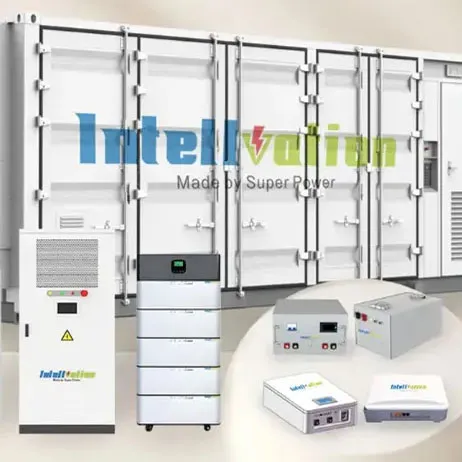
This client was a growing renewable energy storage manufacturer focused on B2B OEM/ODM solutions.
In the early stage, their Google Ads account relied on broad terms such as "Portable Power Station." That generated plenty of clicks and even pushed CTR above 8%, but the sales team was flooded with consumer inquiries such as, "I'm looking for one unit for camping."
For a factory with minimum order requirements, those leads were not just low-converting. They also consumed valuable sales time and advertising budget.

Our objective was clear: pull budget away from consumer curiosity traffic and redirect it toward real B2B purchase intent.
Optimization Data and Strategy
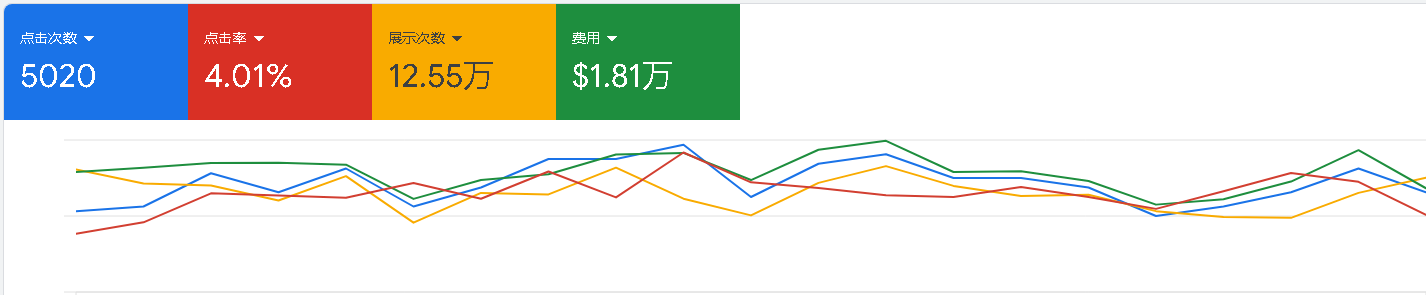
During the optimization period, the account generated 125,500 impressions and 5,020 clicks, with a CTR of roughly 4%.
Before we took over, the click-through rate had been nearly double that level. On paper it looked better, but in reality it was diluted by consumer searches around camping, reviews, and general product research. After optimization, we intentionally gave up a share of those low-value clicks and pulled traffic back toward a more qualified B2B audience made up of distributors, agents, and procurement managers. As a result, overall lead quality improved dramatically, and both follow-up efficiency and close rate increased.
Strategy 1: Keyword Cleanup - Buy B2B Intent, Not Curiosity
The way B2B buyers search is fundamentally different from the way consumers search.
Consumers look for phrases like "best," "review," or "which one should I buy." B2B buyers look for suppliers, quotes, capacity, certifications, and manufacturing capability.
We restructured the account around that reality.
1) Pull Budget Away from Broad Terms and into High-Intent B2B Long-Tail Keywords
We shifted spend toward keyword combinations with clear procurement intent, such as:
- Portable Power Station OEM / ODM
- Energy Storage Manufacturer / System
- Factory / Wholesale / Private Label
These terms may have lower search volume, but they attract the right audience, and inquiry quality is usually much closer to distributor and buyer demand.
2) Build a Negative Keyword Library to Block Consumer Traffic Systematically
We continuously expanded a negative keyword list around clear B2C intent, including:
- review / best / camping / DIY / amazon
That kept the ads from appearing in "I want one unit for camping" search scenarios and protected spend for people actively looking for a factory partner.
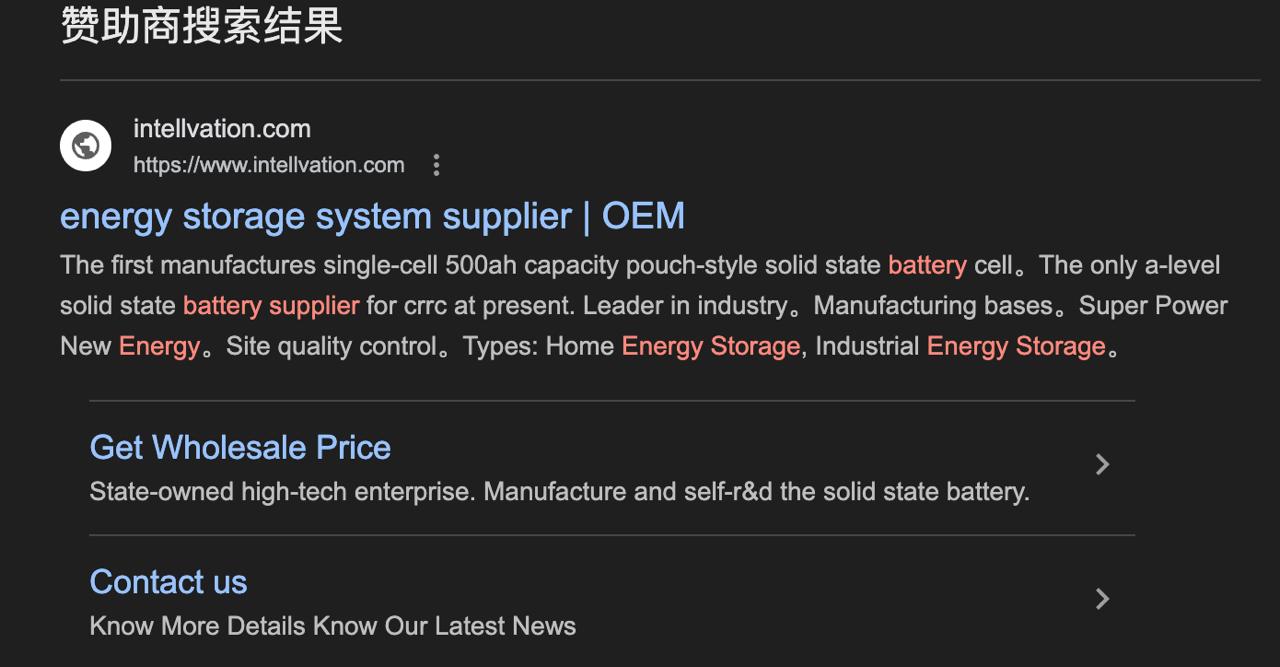
Strategy 2: Rebuild the Landing Page Around B2B Trust Signals
B2B purchasing cycles are long, and buyers are highly risk-sensitive. A click is only the beginning. The landing page must answer two questions quickly: Can this supplier deliver, and can I trust them?
We helped the client rebuild the landing experience using B2B logic:
1) Make Factory Capability Visible
- Production lines, factory environment, key equipment, and QC workflow
- VR and video-based factory presentations so overseas buyers could assess delivery capability remotely
2) Offer Useful Materials Instead of Just a Form
We introduced high-value downloads such as selection guides, trend white papers, and technical specification sheets. Those assets were exchanged for email, WhatsApp, and company details, which improved lead quality and created follow-up touchpoints for the sales team.
Strategy 3: Use Remarketing to Recover High-Intent Visitors
In B2B, very few buyers submit an inquiry on the first visit. We used remarketing to bring back users who had shown interest but had not converted yet.
1) Segment the Audience
- Visitors who viewed solution pages and stayed for a meaningful amount of time
- Users who downloaded materials but did not submit an inquiry
- Visitors who returned multiple times to product or certification pages
2) Re-engage Across Channels
We kept showing factory strength, certifications, delivery capability, and proof points across YouTube and the Google Display Network, keeping the brand visible throughout the procurement process until prospects returned and submitted an inquiry.
Repeatable Takeaways for B2B Manufacturers Going Global
- First, fix audience mismatch: use negative keywords and B2B long-tail terms to pull traffic away from consumer interest searches.
- Then, reduce trust friction: bring certifications, production capacity, and fulfillment capability to the front of the journey.
- Finally, account for long decision cycles: layered remarketing turns hesitant buyers into real pipeline.