
ChatGPT advertising had two things worth watching together in August. OpenAI updated its official ads page on August 11, noting that ChatGPT Ads is now live in the United Kingdom, Mexico, Brazil, Japan, and South Korea, with more markets to follow this year. Industry publication Two Octobers summed the moment up well in its monthly update at the start of the month. OpenAI is advancing on two tracks at once. One track fills in the performance toolkit advertisers already know. The other quietly tests a genuinely new ad format that swaps click-to-website for click-to-conversation. I went through the official page and several trade reports, and gathered what both tracks mean and what global B2B teams should prepare.
Start with the product as it stands. Ads only show to users on the Free and Go tiers, labeled Sponsored and placed below the answer, visually separated from it. Users on Plus, Pro, Business, Enterprise, and Education do not see ads. These rules have not changed since the US pilot began on February 9, and they are OpenAI's official line. The August 11 update extended availability to the UK, Mexico, Brazil, Japan, and South Korea. Together with Canada, Australia, and New Zealand, which opened earlier, self-serve Ads Manager now covers nine countries. Thirty-one European markets opened on August 24 through agency and technology partners first, with self-serve access to follow.
The entry bar came down fast this year. When the pilot started in February, trade press reported a $200,000 minimum spend. ALM Corp's roundup notes the figure was confirmed by OpenAI to Adweek as the floor for entering the beta, not the average spend, and early advertisers received only weekly CSV reports. In April the bar dropped to roughly $50,000. After the self-serve dashboard opened to all US businesses on May 5, Digiday reported the spring minimum had been dropped entirely. An advertiser in the US or Canada can sign up directly today, with OpenAI's suggested starting bids of a $60 CPM and $3 to $5 CPC. Six months ago it was fair to call ChatGPT ads expensive to enter. That sentence is out of date now. The hard part has moved elsewhere, which I will get to later.
The performance toolkit track
The first track's work landed in late July. Search Engine Roundtable posted OpenAI's change email to advertisers on July 27. A Conversions objective went live, oCPC in effect, billed per valid click and optimized toward a conversion event. Daily budgets moved from fixed limits to a rolling seven-day average with automatic pacing. The batch also included geographic exclusions, a bulk Ads API, mobile measurement partners AppsFlyer and Adjust, automatic advanced matching, and refreshed product cards with pricing and star ratings. Add the custom audiences that shipped earlier in the summer, the Maximize results automated bidding released in August, and the VTA (1d) view-through column, and the dashboard now looks like a mainstream buying system. Choice OMG reviewed the platform on August 26 and concluded that OpenAI still calls the product a beta, but the August version is far more complete than the May 5 launch.
The click-to-conversation track
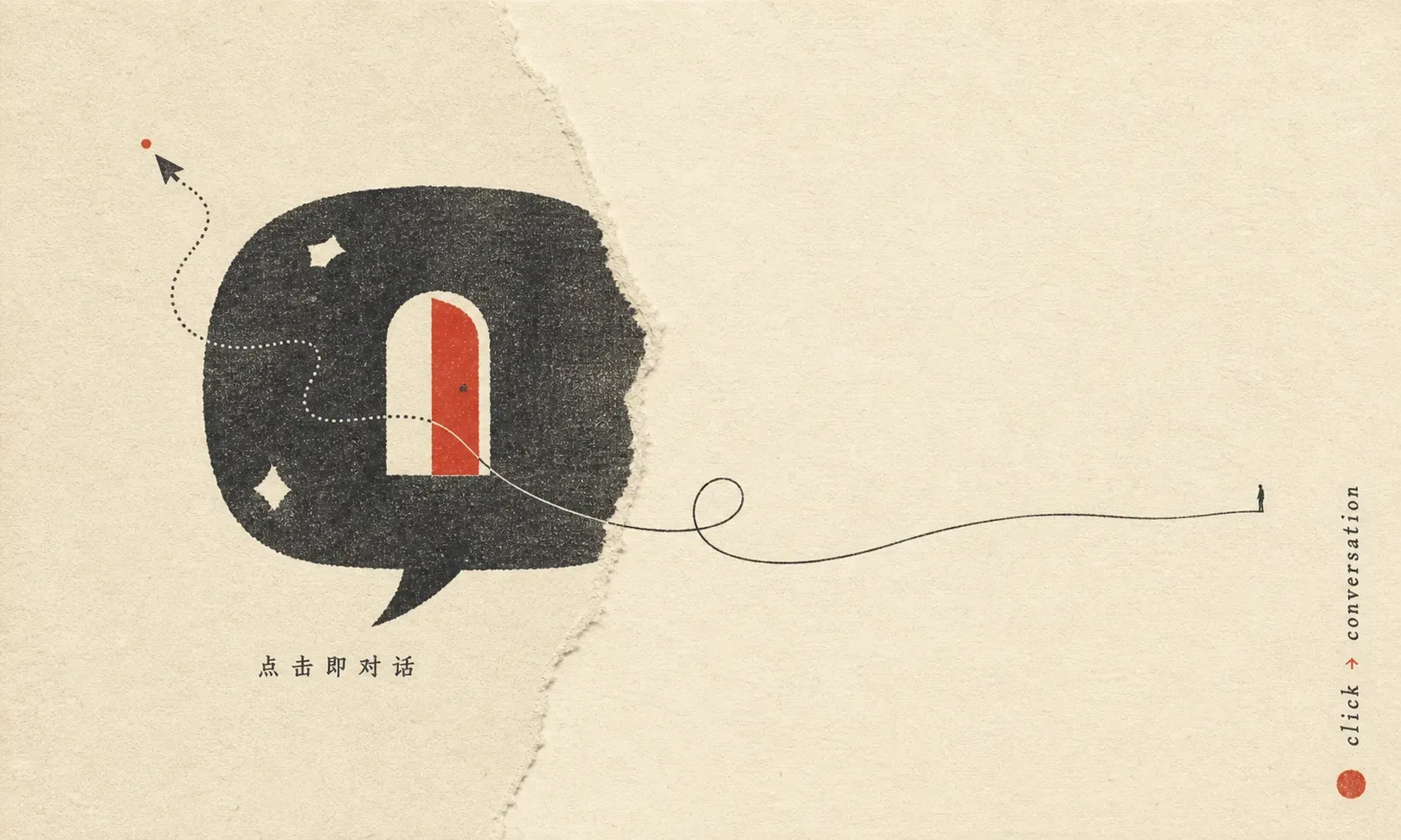
The second track matters more. Two Octobers reported that a new format appeared in ChatGPT Ads Manager. Clicking the ad no longer leads to a landing page. It opens a brand-specific ChatGPT conversation. In the dashboard it is called an Agent campaign, and advertisers can draw on their own website content and data to run these agent-powered ads. The sourcing deserves care here. This is a test feature spotted in the product backend by industry media, and OpenAI has not announced it. Combined with Digiday's two interviews with ads lead David Dugan in early July, conversational ads were already on the roadmap. leapbuzz summarized the interviews, including the San Francisco engineering roles OpenAI posted to build text, image, video, native, conversational, and interactive formats, paying $230,000 to $385,000. Dugan also called third-party measurement a natural next step, because OpenAI will not hand conversation content to advertisers.
This format changes more for global B2B demand gen teams. The familiar path runs from ad click to landing page to form to sales follow-up. Click-to-conversation compresses the middle steps into one conversation. The assets an advertiser submits change too. They are structured content, product data, FAQs, offer details, and ChatGPT weaves the brand information into its answer stream. It moves the pre-sales consulting capability of your website up to the ad touchpoint. For B2B categories with long sales cycles and high explanation costs, that is closer to a sales conversation than a banner ever was.
Two unsolved problems
There are two problems. The first is measurement. OpenAI's official line is that advertisers do not get conversation content, only aggregated impressions and clicks, and a third-party measurement plan is not settled. There is no established answer yet for how a user inside a conversation becomes a lead, so cross-channel impact has to be pieced together from your own first-party data. The second is inventory structure. Ads run only on the Free and Go tiers, and B2B decision makers are disproportionately on paid plans.
Two agencies' public tests point to the same conclusion. Choice OMG ran three campaigns in June, 8,940 impressions, 58 clicks, a 0.65% CTR, and no leads. SE Ranking ran a two-week test with more than 97,000 impressions and 1,263 clicks, a 1.30% CTR, and very few sign-ups. Both stopped for the same reason. The more someone looks like their ICP, the more likely they sit on a paid, ad-free plan, so the eligible inventory is the wrong half of the audience. Platform-level numbers look better. Reuters reported the US pilot crossed roughly $100 million in annualized revenue within six weeks with more than 600 advertisers. Criteo observed across a sample of 500 retailers that LLM-referred traffic converted at about 1.5 times the rate of other referral channels. Those signals show the inventory works for some industries. They do not mean B2B can copy-paste and succeed.
What to prepare now
Do not wait for general availability. Four things are worth doing in the coming months.
First, turn brand content into assets an agent can use. Product descriptions, FAQs, pricing terms, and comparison material, structured once, feed both future conversational ads and GEO work. This kind of content takes 60 to 90 days to show effect, so start early.
Second, check your technical access rules. OAI-AdsBot validates ad landing pages, and OAI-SearchBot decides whether your site can appear in ChatGPT's organic answers. If CDN or WAF bot rules block either one, ad approvals quietly stall. OAI-AdsBot has no published IP range yet, so whitelist it by user agent for now.
Third, build first-party attribution. Run the pixel and the Conversions API together with shared event IDs for deduplication, and define success metrics before launch. leapbuzz suggests reserving 3% to 5% of the H1 2027 budget as a test allocation. That allocation exists to produce clean measurement data, volume comes second.
Fourth, watch the policy boundaries. Health and financial categories are case-by-case in the US and generally prohibited outside it, and sensitive contexts such as politics and mental health are fully excluded. Keep those zones out of your test categories.
My read is that click-to-conversation is likely OpenAI's first answer to what advertising on a conversational platform should look like. It will not replace search advertising quickly. What it rewrites first is the starting point of global B2B demand generation. Researching the format costs little today. Waiting for full availability means building the content assets and attribution system from scratch at that point, and that is a head start lost.