

From 2021 to 2025, what exactly changed in the minds of Chinese consumers after the housing market turning point? Accenture's latest insight suggests a deep reset: making money and protecting one's health now take priority over romance and status-driven hustle, domestic brands are overtaking international incumbents, and 57% of consumers now ask AI first when they need advice. As "search" turns into "conversation," what comes after SEO is GEO, or Generative Engine Optimization. In this article, String Global breaks down how brands can earn positive mentions when AI increasingly shapes what people trust and buy.
1. Life priorities have been reordered: if people are not talking about love, they are talking about money
The essence of spotting opportunity is not just identifying demand. It is identifying how people reorder their goals. Time, money, and energy are limited, so consumers always decide what matters first. That ranking determines where spending goes. Over the past four years, the biggest shift among Chinese consumers has been a move toward pragmatism.
Accenture's data paints a very clear picture:
- Making money matters more: concern about wealth rose from 47% to 61%.
- Staying healthy comes first: concern about health increased from 78% to 87%.
- Career prestige is fading: concern about career fell from 53% to 35%.
- Love moved down the list: concern about romance dropped from 17% to 9%.
This is the collective mindset today. Compared with intangible romance and endless career competition, people would rather invest energy in things they can control. Within that broader shift, each age group is making its own adjustments:
Young adults aged 18-24: pulling back across the board. Attention to romance, friendship, and career is down, while attention to savings and self-development is rising.
Adults aged 55-65: refusing to spend retirement only on family duties. Over the past four years, their attention to family fell by 15%, while attention to personal interests rose by 14%. The older they get, the more they want to live for themselves.
In an age of uncertainty, consumers are building a triangle of certainty: health, savings, and new skills. Any product or service that strengthens one of those three is moving with the wind at its back.
2. The domestic-brand comeback: after the halo fades, rational choice returns
For founders and operators, this may be the best news of the past four years: domestic Chinese brands are going through a historic rise. This is not just about sentiment. It is a rational choice made by consumers who are watching their wallets more closely than ever. If quality feels close enough, why would they not choose the better-value option?
- Beauty: in 2021, 78% prioritized international brands. By 2025, that figure had been cut to 37%, while the share prioritizing domestic brands overtook it at 43%.
- 3C electronics: preference for domestic brands jumped from 18% to 55%.
- Home appliances: domestic-brand preference reached 69%.
International brands have not disappeared, but they are contracting and concentrating in high-premium categories and among households earning over RMB 30,000 per month.
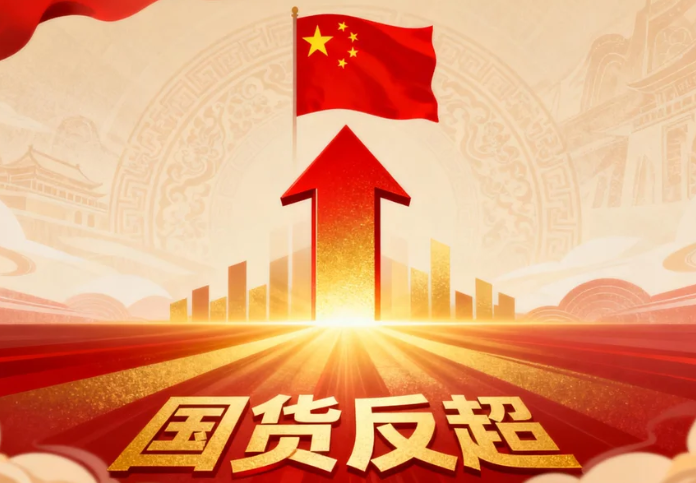
But behind this domestic-brand boom lies a colder reality that every brand should pay attention to: consumer loyalty is collapsing. The share of people who say "once I like a brand, I will keep buying it" fell from 58% to 45%. Seventy percent say they now compare options before every purchase. The harshest part is this: traditional marketing is losing effectiveness. Forty-six percent say ads do not help, and 22% say ads make them feel sick. Even livestream recommendations and celebrity endorsements are losing magic.
So the question becomes obvious: if consumers no longer trust ads, celebrities, or even friends and family as much, who do they trust?
3. AI is not just a tool. It is becoming a new front door
GEO will be the next major marketing battleground
This is the most forward-looking and arguably most shocking takeaway in the report.
The numbers are hard to ignore: 77% of respondents use AI frequently every week. When they need advice, 57% go to AI first, while only 35% ask friends or family. Thirty-seven percent already rely on AI to make shopping decisions, compare options, find lower-cost alternatives, or build travel itineraries. Even more striking, people's definitions of AI have changed: 65% see it as an advisor and 36% see it as a friend.
That means AI is evolving from a tool into a decision partner.
In that environment, a new marketing concept is quietly emerging and may replace part of traditional SEO over the next few years: GEO, or Generative Engine Optimization.
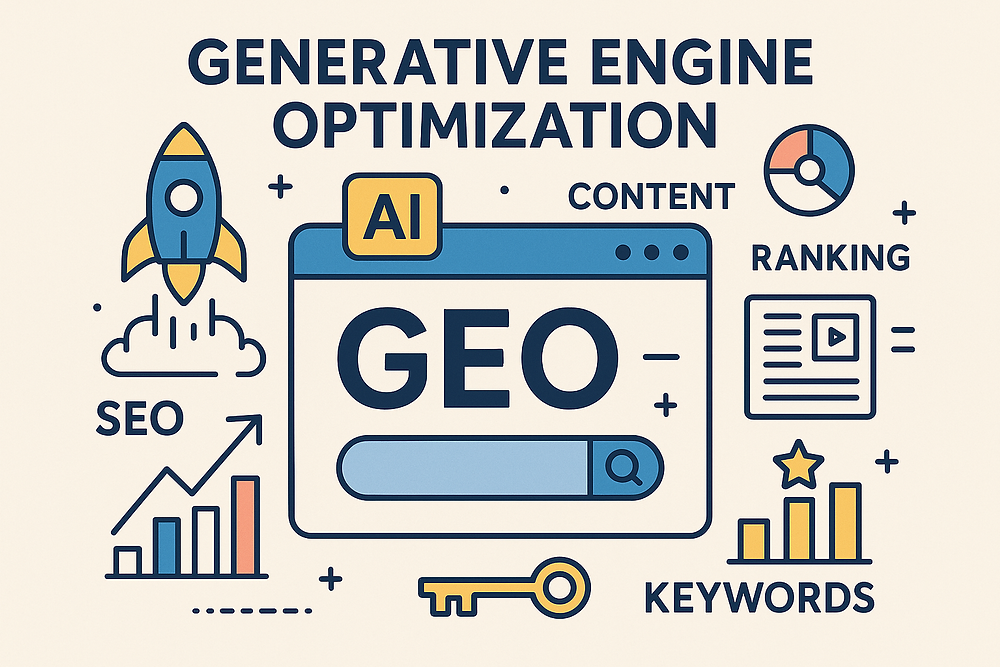
What is GEO, and why does it matter so much?
In the past, we did SEO to get Google or Baidu to rank our webpages on page one. Today, users can ask ChatGPT, Kimi, or another AI assistant: "Which phone should I buy for around 3,000 RMB if I want to shoot vlogs?" Users no longer browse ten links. They look at the AI-generated answer. If your brand is missing from that answer, or worse, described negatively, you effectively disappear from view in the AI era.
At its core, GEO means optimizing content so that large language models can cite, recommend, and describe your brand positively when they answer users' questions.
4. Looking back at this report, the shape of the future business landscape is becoming clear
The old traffic playbook of spending aggressively, chasing mega influencers, and flooding channels with hard ads is losing efficiency fast. Consumers are becoming far more practical, focusing on money and health, far more rational, comparing choices carefully and favoring domestic value, and far more empowered, with AI acting as a powerful external brain.
Future opportunity belongs to brands that understand this new order of priorities. Once consumers start asking AI for guidance, your single most important job is to make sure that when AI speaks, it speaks well of you.
About us
After looking at the trend, we should also talk about execution. As discussed above, AI-powered search is reshaping how consumers around the world make decisions. That is not only a challenge. It is also a chance to overtake on the curve.
At String Global, we picked up this shift early. As a marketing agency focused on global expansion, we do not only watch traditional traffic channels. We are actively exploring GEO and AI-era brand reputation management. Our goal is to help globalizing brands secure mindshare while AI reshapes the conversation itself. If you want to move early in AI-led overseas markets, or if you are exploring the next generation of traffic strategy, we would be glad to talk. Let us capture this transition from search to conversation together.