

Introduction: when users stop searching and start asking
For the last twenty years, users were trained to type keywords into Google and sift through a page of blue links to find answers. That behavior is changing in a way that will not reverse easily. Today, users ask ChatGPT something like, "What is the best CRM for small businesses in 2025?" and expect a confident, synthesized answer rather than a list of websites to inspect manually.
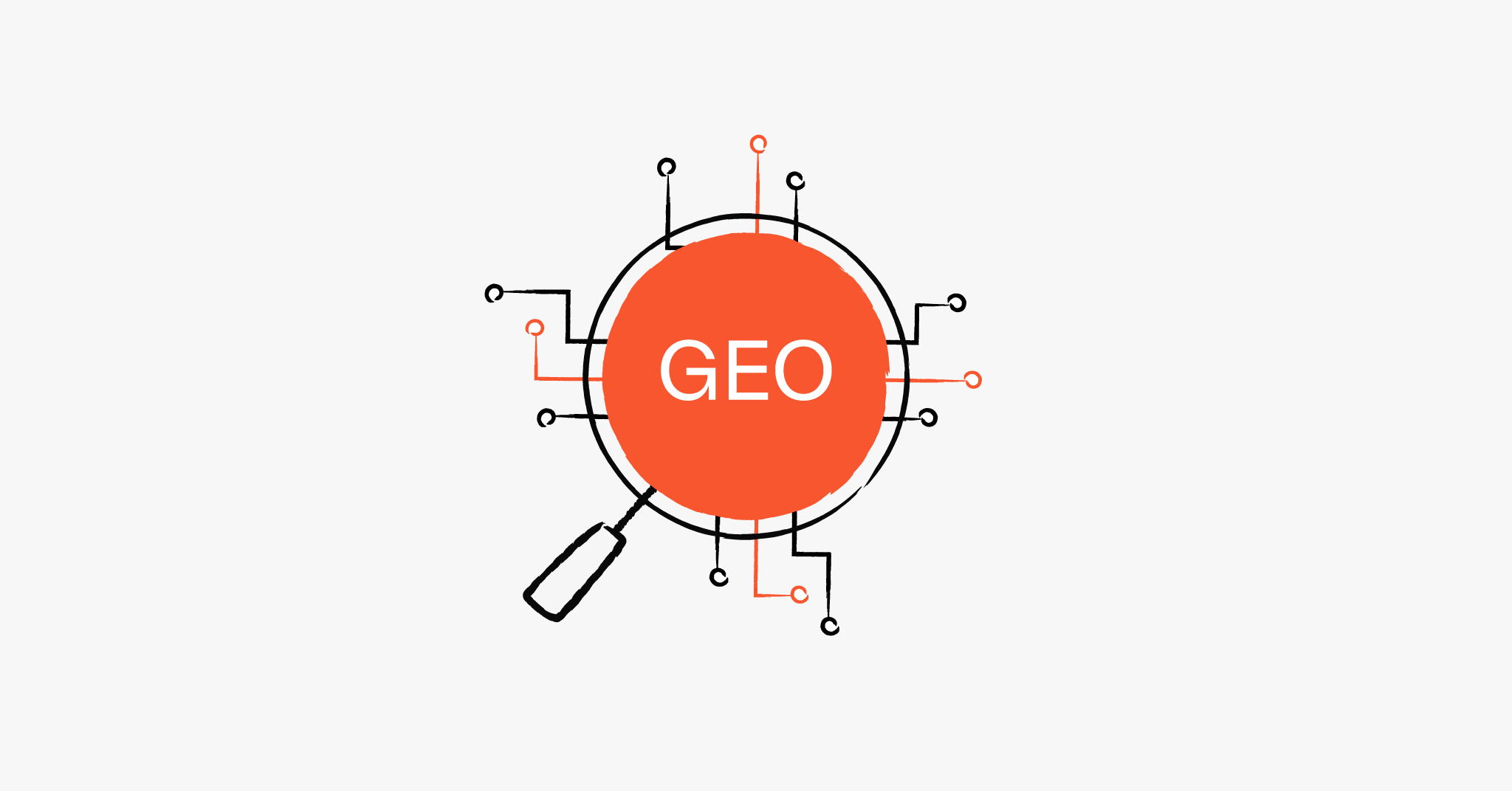
In that shift, traditional SEO, or search engine optimization, is evolving into GEO, or generative engine optimization. If your brand content cannot be understood, trusted, and cited by AI systems, it may simply disappear from the future traffic map.
What is GEO, and how is it different from SEO?
The core of SEO is indexing. The goal is to make sure search engines can find your pages and rank them on page one.
The core of GEO is synthesis. The goal is to make sure large language models can understand your brand and present it as part of the best answer.
- In the SEO era: users click a link, visit your site, and then convert.
- In the GEO era: AI reads your information, recommends you directly in conversation, often with a source citation, and then the user builds trust before visiting your site.
How brands can win inside AI answers: three key strategies
1. Move from keyword stuffing to authority building
AI systems care deeply about source credibility. They are more likely to cite brands that appear in trusted media, industry reports, Wikipedia-like knowledge environments, or high-authority review platforms.
- Recommended action: invest more in digital PR. Do not rely only on your own website to talk about how great you are. Secure mentions in industry white papers, authoritative technology media, and real user reviews. When AI cross-validates information, it needs to see your brand showing up in multiple trustworthy places.
2. Structured data is the machine-readable language AI prefers
Large models are capable, but they still prefer information that is clearly organized and logically structured. If your website is just a wall of unstructured text, extracting core facts becomes much harder.
- Recommended action: implement structured data broadly. Mark up product prices, specifications, reviews, FAQs, and other important attributes in code so that search engines and downstream systems can parse them more easily. The easier you make it for machines to understand your content, the easier it becomes for them to use your brand as a source.
3. Create answer-first content, not traffic-first filler
In the old SEO model, many articles were padded with low-value copy just to hit a length target. In the GEO era, AI can extract the core point quickly. If your content is bloated and low in signal, AI is more likely to ignore it.
- Recommended action: use an inverted-pyramid structure. Put the strongest definition, recommendation, or conclusion near the top, then expand with evidence and detail. Create deep comparison content around real long-tail questions, such as "Which is more cost-effective, product X or product Y?" and aim to become the most citable answer source.
Conclusion: crisis or opportunity?
Saying "SEO is dead" may be dramatic, but the old SEO model is genuinely aging out. GEO does not eliminate search. It raises the standard. For brands with real expertise and authority, that is actually a major opportunity. Low-quality content will be filtered away, while stronger brands have a better chance of standing out in the answers people now trust most.