

For brands going global, having an independent site has already become standard. But once the journey begins, teams are often overwhelmed by the number of possible ways to build it.
"Should we go with an out-of-the-box SaaS platform, or buy servers and run an open-source stack ourselves?" "We keep hearing that top sellers are moving to headless architecture. What does that actually change in terms of growth?"
Many clients start global expansion projects with exactly that confusion. Choosing the wrong website stack does not just waste money at the beginning. It can create painful migration issues later, cap site performance, and even slow down the brand's ability to market and convert effectively.
Today, we will break down the four most common options through three lenses: business model, implementation cost, and long-term scalability. The goal is to help you find the setup that matches your current stage instead of forcing yourself into someone else's answer.
1. Shopify: SaaS for fast market validation
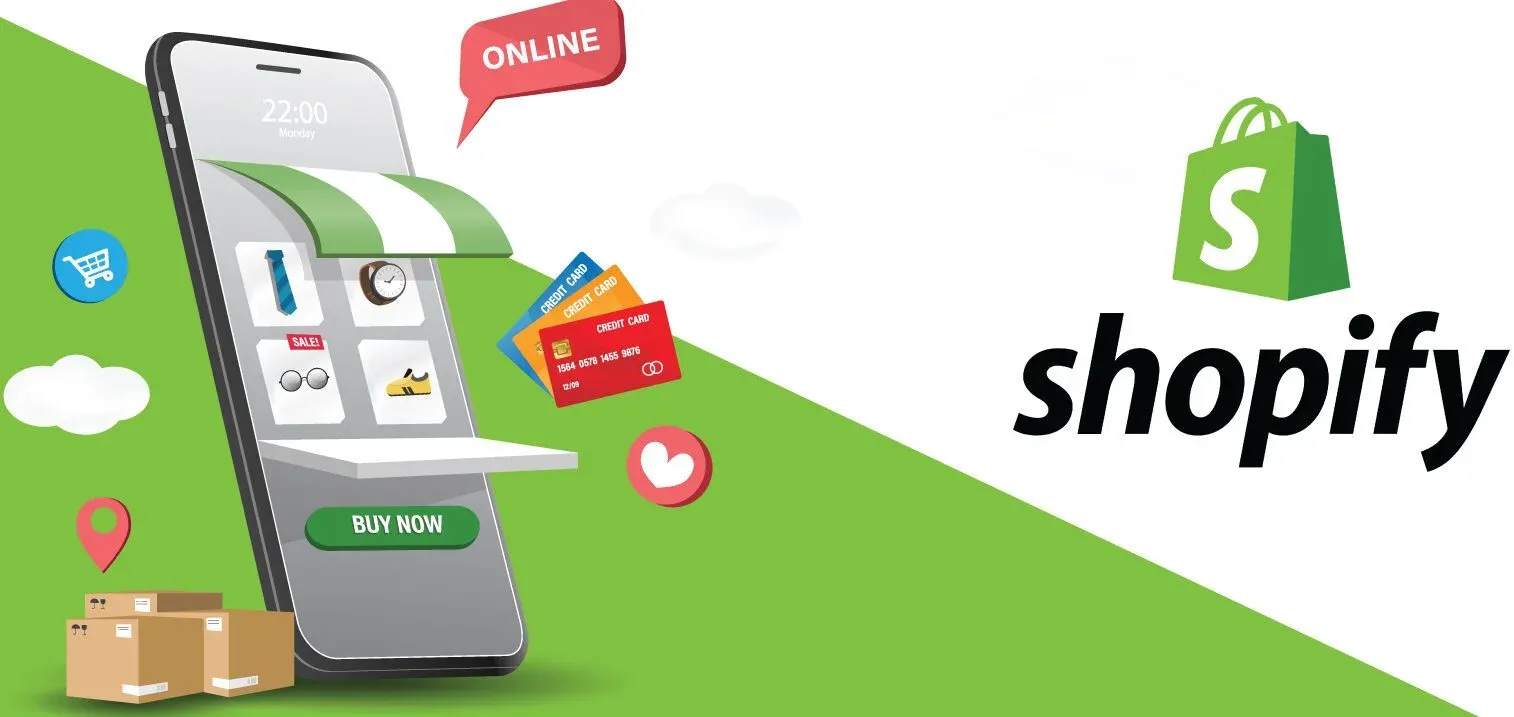
Shopify is the world's most popular SaaS e-commerce platform. Its core logic is convenience: you can move in quickly without understanding code, server configuration, or day-to-day security maintenance.
- Core strengths:
- Very fast setup: a basic storefront, payment integration, and launch flow can be completed in days.
- A mature ecosystem: from payment gateways to email marketing, logistics tracking, and social sync, there is usually an app ready to plug in.
- Stable infrastructure: even during major sales spikes such as Black Friday, Shopify can usually absorb traffic reliably.
- Potential drawbacks:
- Higher long-term cost: beyond monthly subscription fees, platform transaction fees may also apply depending on setup.
- Limited deep customization: the underlying system is platform-controlled, so unusual promotional logic or highly customized page experiences can be hard to implement.
- Best fit:
Early-stage DTC brands, testing-oriented sellers, teams that want to validate product-market fit quickly, and companies that do not want to hire dedicated IT operations staff.
This guide walks through the complete process from Shopify account registration to store launch.
2. WordPress + WooCommerce: the open-source choice for ownership and SEO
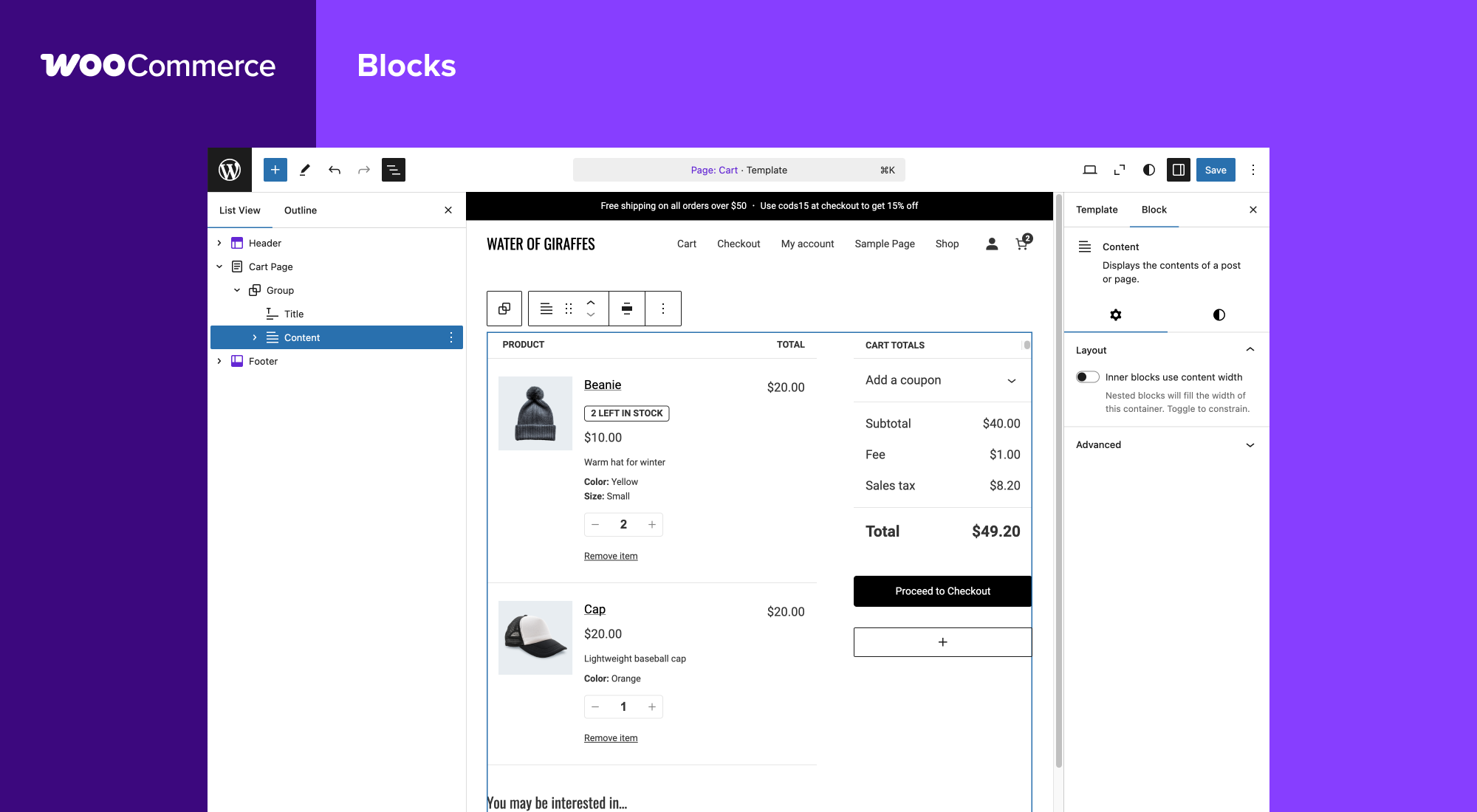
WordPress powers a huge share of the global web. With WooCommerce, it can also become a capable e-commerce system very quickly.
- Core strengths:
- Strong content and SEO advantage: WordPress started as a publishing platform, so it is naturally well suited for content marketing and organic search. URL structure, taxonomy, and tagging are all highly flexible.
- Full asset ownership: data and code stay in your hands, and there is no platform commission on transactions.
- High extensibility: the plugin ecosystem is massive, which makes it possible to assemble many kinds of business logic without building everything from scratch.
- Potential drawbacks:
- Hidden maintenance cost: you need to buy hosting, configure the environment, and update plugins regularly to avoid security or stability problems.
- Performance bottlenecks are common: too many plugins or weak server infrastructure can make the site noticeably slow.
- Best fit: B2B exporters, brands that rely heavily on content marketing and long-term SEO accumulation, and mid-sized or larger teams with either technical ability in house or budget for technical support.
3. Fully custom development: tailored for complex business logic

This route avoids existing website systems entirely and builds the site from scratch with a development team.
- Core strengths:
- Extreme customization: whether you need a complex B2B tiered pricing system, a unique member referral structure, or tight ERP integration, fully custom architecture can support it.
- A true strategic moat: the underlying logic belongs entirely to your business and is not constrained by any third-party platform rules.
- Potential drawbacks:
- Very high time and budget cost: it can easily require months of development time and a large implementation budget.
- Expensive mistakes: if the business requirements are not clear enough up front, the finished product may not fit actual operational needs.
- Best fit: platform-style businesses with unusual operating models, or mature large brands with heavy data volume and a business model that is already fully proven.
4. Headless architecture: the premium choice for speed and experience
This is the advanced setup many high-performing global brands are adopting. Headless means separating the front end, what customers actually see, from the backend, where products, orders, and data are managed.
- Core strengths:
- Best-in-class speed and conversion experience: by escaping the heavy code of traditional themes, headless front ends can load almost instantly, greatly improving user experience, conversion rate, and SEO performance.
- Flexibility without losing backend stability: you can keep using Shopify or WordPress on the backend for operational stability while building a much more polished, higher-performing front end.
- Omnichannel readiness: a single backend can support desktop web, mobile web, apps, and even offline displays.
- Potential drawbacks:
- Higher setup cost than a standard theme-based site: a professional development team is usually required to implement it well.
- Best fit: mature DTC brands with high visual standards, high average order value, strong focus on lifetime value, and a need for top-tier performance.
Turn the right architecture into real growth with String Global
If you still feel stuck after reading the comparison, or if you already know what you want but lack the technical team to execute it, String Global can step in with end-to-end technical support.
We understand that building the site is only step one. The real purpose of an independent site is customer acquisition and conversion.
At String Global, we do not just build websites. We design the underlying business logic for global markets. Whether you need a Shopify site for fast validation, a WordPress stack for content-led growth, or a high-performance headless architecture for premium conversion, we can build the right solution around your real business needs.
At the same time, we put professional tracking logic into the site from day one and make sure the structure supports search optimization. Leave the technical foundation to us so your team can stay focused on product and market expansion.