

Once on-page work is solid, rankings for many teams stall in place. Attention turns off-site. The inbox starts collecting guest-post offers with a price list claiming a thousand high-quality backlinks, while on the other side of the ledger, a piece of company data gets written up by an industry outlet that never links back. Buy or earn, chase or not, two roads sit side by side, and the price list usually wins attention first because it looks faster.
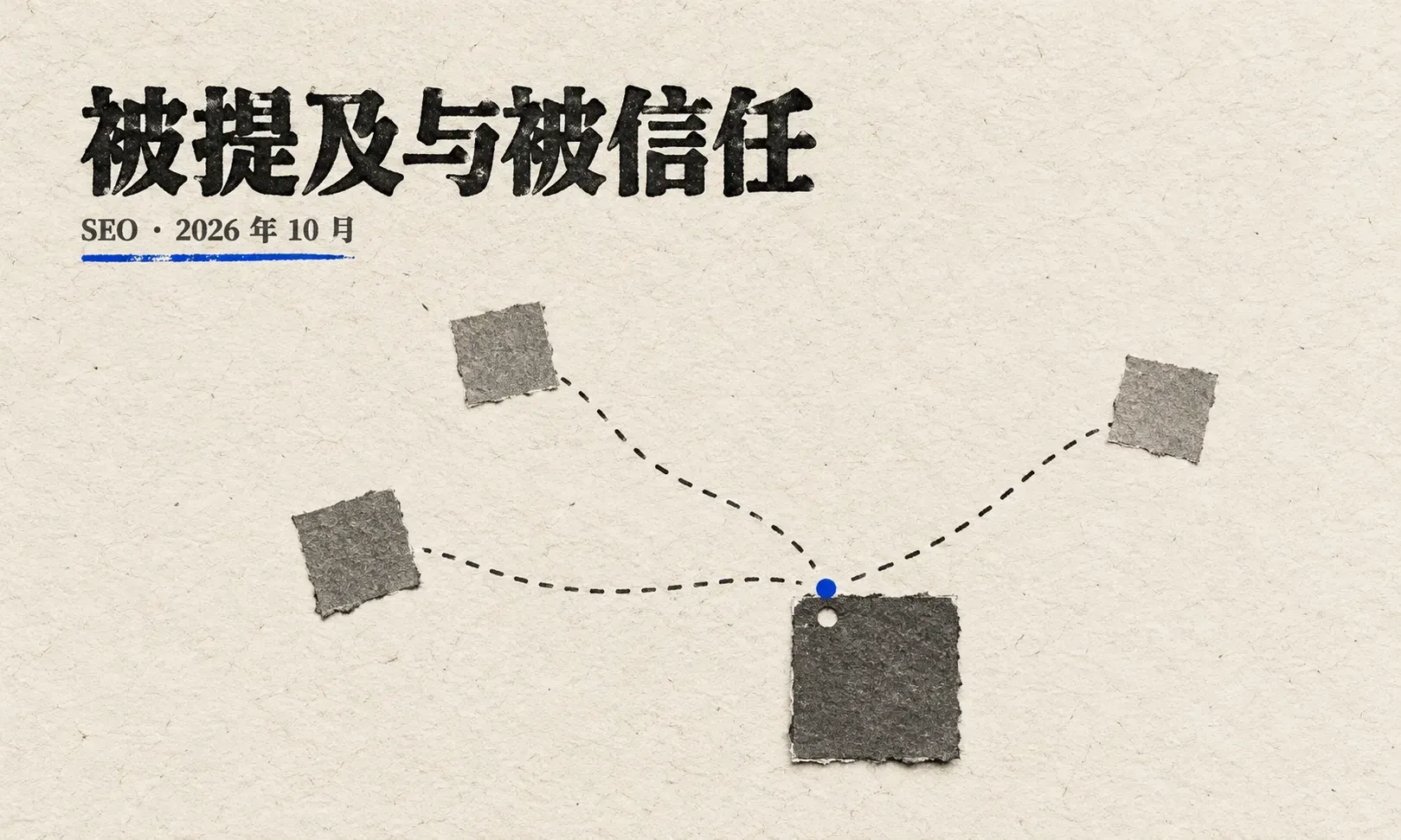
That is exactly where link building gets done backwards. Its nature is being mentioned and trusted; the link is just the trace that trust leaves behind. The order runs from something worth citing to citations and links, and reversed, it becomes buying links first and inventing reasons after.
So this piece delivers three things. A quality framework for judging whether a link is worth having, an acquisition path that turns citations into a repeatable process around digital PR and linkable assets, and a clear map of the red lines. The parent guide's fifth layer on authority and links already covers how link analysis systems work, the sustainable off-site playbook, and the spam-link warnings, so this piece will not repeat them; start here for that context. Page-level work is also settled in the on-page checklist, and this article assumes it is done.
Judge the Quality of a Link First
Run any link opportunity through six questions, and most traps surface on their own.
Relevance. Does the linking site and page share the context of your content? Industry media writing about industry topics reads natural; an insurance page suddenly linking to your SaaS tool reads like nothing at all, to readers or search engines.
Editorial control. Was this link an editor's choice, or the output of payment, exchange, or automation? The test is simple. Strip away money and trades, and ask whether the link would still exist. A human making an editorial decision is the trust signal.
Placement and context. A natural in-body citation and a footer link farm are different things. The paragraph around the link should genuinely be about the topic of the page it points to.
Real audience. Is anyone reading that page? Directories built purely for search engines do not create trust, no matter how presentable the domain looks.
Verifiability. Can you check the source, who wrote it, which outlet, whether bylines exist. Black-box services that dodge these questions are a pass.
Anchor text naturalness. Google's advice for anchor text is descriptive, reasonably concise, and relevant. Keyword-only anchors across every link are a recognizable over-optimization trace; natural citations describe the content, not the keyword you wish to rank for.
The Acquisition Path, Turning Citations into a Process
The core move is becoming something reportable. Outreach targets editors and writers, and the link placement is a result.
Start with linkable assets. Original data and research are the most universal kind, industry benchmarks built from your own numbers, surveys, and annual reviews all count. Reusable tools and calculators come second, since they attract repeat citation. Slicing one study into charts, short findings, quotable numbers, and expert quotes is the third. How content assets are run day to day is covered in content strategy for the AI era; here the only concern is making assets easy for others to cite.
Then run digital PR with a topic and a press kit. Build the angle from news value, where comparisons, time markers, and regional differences are common openings. Prepare the kit before pitching, with data, charts, ready-to-quote findings, and images, so an editor can finish a story at the lowest possible cost. A strong kit raises both the odds of coverage and the quality of the citation.
Build the media and industry list from who cares about this data, spanning trade media, vertical blogs, communities, newsletters, and podcasts. Real readers set priority, not bundle promises of five thousand outlets. Pitch one at a time, explain why this matters to their readers, follow up once, and log every contact and outcome.
Unlinked mention reclamation is the step most teams skip. When media cites your brand or data without a link, politely ask for one and provide the exact page. Monitor mentions of your brand name, data names, and tool names to find these openings. Before reclaiming, make sure the target page itself is healthy and crawlable; the checklist for that lives in SEO engineering.
Risk Boundaries, Where the Red Lines Sit
The red lines are not a mystery; the official spam policies spell them out. Creating links to manipulate rankings is link spam, and the classic list includes buying and selling links, which covers money, goods, services, and sending products in exchange for coverage with a link; excessive link exchanges and partner pages that exist only to cross-link; automated programs or services that generate links; low-quality directories and bookmark sites; and paid guest posts or press release distribution carrying optimized anchor text. That last one deserves attention, since it is the most common gray-area format in the industry, and Google has called it out by name.
Sponsored and advertising links are not forbidden, provided they are labeled correctly. Google asks that ads and paid links carry rel="sponsored", with nofollow still acceptable, so ranking signals are not treated as merchandise.
Condense the lines into one sentence. Any transaction where the link is the purpose sits in the forbidden zone; links an editor grants on the merits of the content do not. Spam enforcement has kept tightening, and the background sits in the September spam update explainer. The fuller compliance map is reserved for a dedicated piece later.
Measurement, Beyond DR
Third-party domain scores are estimates, and how they differ from Google's own link analysis systems is covered in the parent guide, so we will not rehash it here. Use them as reference, not as the north star.
The business signals worth watching come as a set. Brand searches show that people now search your name directly, which is the evidence of being remembered. Referral traffic shows the sessions and conversions arriving from citations. Citation count and context show who cites you, how, and in what tone. Add the growth trend of quality mentions. Log them in a table, date, outlet, link or no link, link attribute, traffic, relationship notes, and read trends quarterly rather than counting a single week's additions.
The AI search era adds a layer. Entities that get cited and trusted consistently show up more often in AI answers and their reference lists, a thread explored in SEO, GEO, and AI citations. Brand authority compounds, and every step above pays into it.
Common Pitfalls
First, treating links as a procurement line item. The bundles on those price lists mostly sit on the buying-links red line, and what they purchase is short-term numbers plus long-term risk.
Second, counting links without reading context. Footer links, irrelevant directories, and repeated exchange pages produce numbers that cannot carry trust and are expensive to audit.
Third, running outreach as bulk email. Media inboxes are not short on pitches; they are short on material that serves their readers, and send volume does not convert into citations.
Fourth, declaring victory when DR moves. Third-party ratings are only loosely in your control, while brand searches, referral traffic, and citation context are the business-side evidence.
Related Reading
- The SEO Starter Guide, the parent five-layer frame, including the full authority and links section.
- The September Spam Update Explained, the latest enforcement context behind the link red lines.
- SEO, GEO, and AI Citations, how brand authority extends into AI search, connected to the measurement section above.
- Content Strategy in the AI Era, the content operations behind linkable assets, a companion read.