

In digital marketing, Google Ads is often misunderstood as a simple tool where you just top up an account and customers appear. In reality, experienced advertisers know that ad auctions work much like SEO: both depend heavily on relevance, user experience, and feedback data. Without a clear strategy, scaling blindly only wastes budget.
To maximize return, we need to turn isolated tactics into a closed-loop system. Below, we break the logic of efficient Google Ads operations into three levels: strategy, execution, and optimization.
1. Strategy first: define direction before you spend
The depth of thinking before launch determines the ceiling of later optimization. Many failed campaigns are not the result of poor execution. They fail because tactical effort cannot compensate for strategic laziness.

1. Goal alignment and budget allocation
Before creating any campaign, define the real business objective: are you optimizing for awareness, traffic, or direct sales conversions? Different goals require different bidding strategies and measurement frameworks.
- Goal setting: for new advertisers, it is usually safer to begin with Maximize Clicks to gather enough data. After you accumulate a meaningful number of conversions, such as 15 to 30, you can switch to smart bidding like tCPA or Maximize Conversions and let the algorithm optimize at the search-term level in real time.
- Budget management: avoid splitting budget equally out of habit. Budget should follow performance. Increase spend on campaigns that are working and cut aggressively where testing is weak or inefficient. For smaller accounts, focus matters. If you spread budget too thinly, data becomes too sparse for the system to learn.
2. Audience definition and scenario insight
Good advertising does not say, "Here is what I want to sell." It responds to "Here is what the user wants to see."
- Audience targeting: use Observation mode to test audience performance before locking campaigns into aggressive targeting. Geographic filters, interest layers, and remarketing lists can help isolate higher-intent users.
- Intent matching: study real pain points and search contexts. For smaller-budget accounts, long-tail keywords often outperform broad core terms. Queries like "best spring dress recommendations" may have lower volume, but they are less competitive, more explicit in intent, and often convert better than expensive broad terms like "dress."
If you want to build your brand's audience profile quickly in the early stage, String Global's first-party research service can provide a structured report to help you define your core customer groups and the right touchpoints.
2. Execution: build a high-relevance system with disciplined structure
Google Ads Quality Score has a direct impact on CPC. Improving relevance is effectively a form of cost reduction.

1. Account structure and keyword planning
Your account should not be overcomplicated. Over-segmentation creates management overhead and fragments data.
- Grouping strategy: organize ad groups around product categories or service themes so that keywords and copy stay tightly aligned.
- Keyword strategy: build a clear keyword library that separates brand terms, core commercial terms, and long-tail terms. Use negative keywords aggressively to block low-quality traffic such as "free" or "used." Early on, avoid overly broad match types and start with phrase match to balance scale and precision.
2. Ad creative and landing-page alignment
Ad copy earns the click. The landing page closes the conversion.
- Copywriting: include core keywords in headlines and descriptions, and make sure your unique selling proposition is obvious. Use extensions such as sitelinks, calls, and structured snippets wherever possible. They increase screen real estate, improve CTR, and build trust.
- Landing-page experience: send traffic to the most relevant page, not a generic homepage. Load time should ideally stay within two seconds, and mobile usability must be strong. The page must also fulfill the promise made in the ad and contain a clear call to action. Any disconnect between ad promise and on-page experience will kill conversion efficiency.
3. Optimization: build a data-driven flywheel
Google Ads is not a one-time setup. It is a dynamic process of testing, analysis, and iteration.
1. Full-funnel conversion tracking
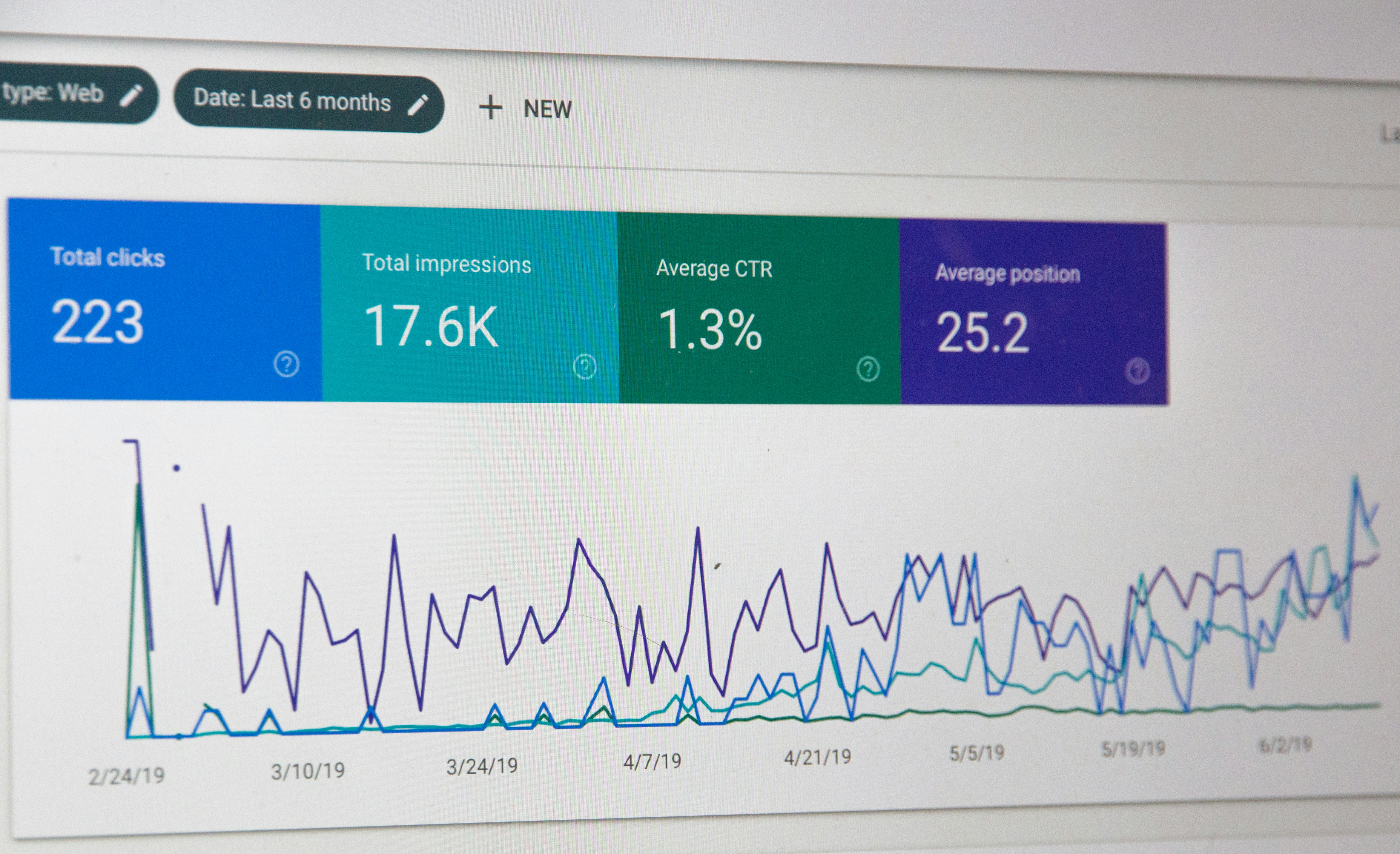
Optimization without data is guesswork. Every serious account needs a reliable conversion-tracking setup, ideally connected with Google Analytics 4, so online leads, purchases, and even offline conversion events can be tied back to media performance. Metrics like CTR, CVR, CPA, and ROAS should guide decisions rather than intuition.
2. Scientific testing and ruthless pruning
- A/B testing: keep testing new creative angles, bidding strategies, and audience segments.
- Elimination logic: regularly remove keywords and creatives that spend heavily without producing results.
- Remarketing: users who visited the site but did not convert are far more valuable than cold traffic. Bringing them back through remarketing is often one of the fastest ways to improve overall ROI.
Summary
The essence of Google Ads is delivering the right message to the right person at the right time. That requires strategic alignment at the top, disciplined keyword and copy matching in execution, and ongoing, data-backed optimization after launch.
The biggest mistake advertisers make is impatience. Sustainable performance comes from starting with the right structure, testing on a controlled budget, building data assets over time, cutting low-quality traffic, and scaling what actually works. That is how paid search becomes a long-term growth engine rather than a short-lived spending channel.