

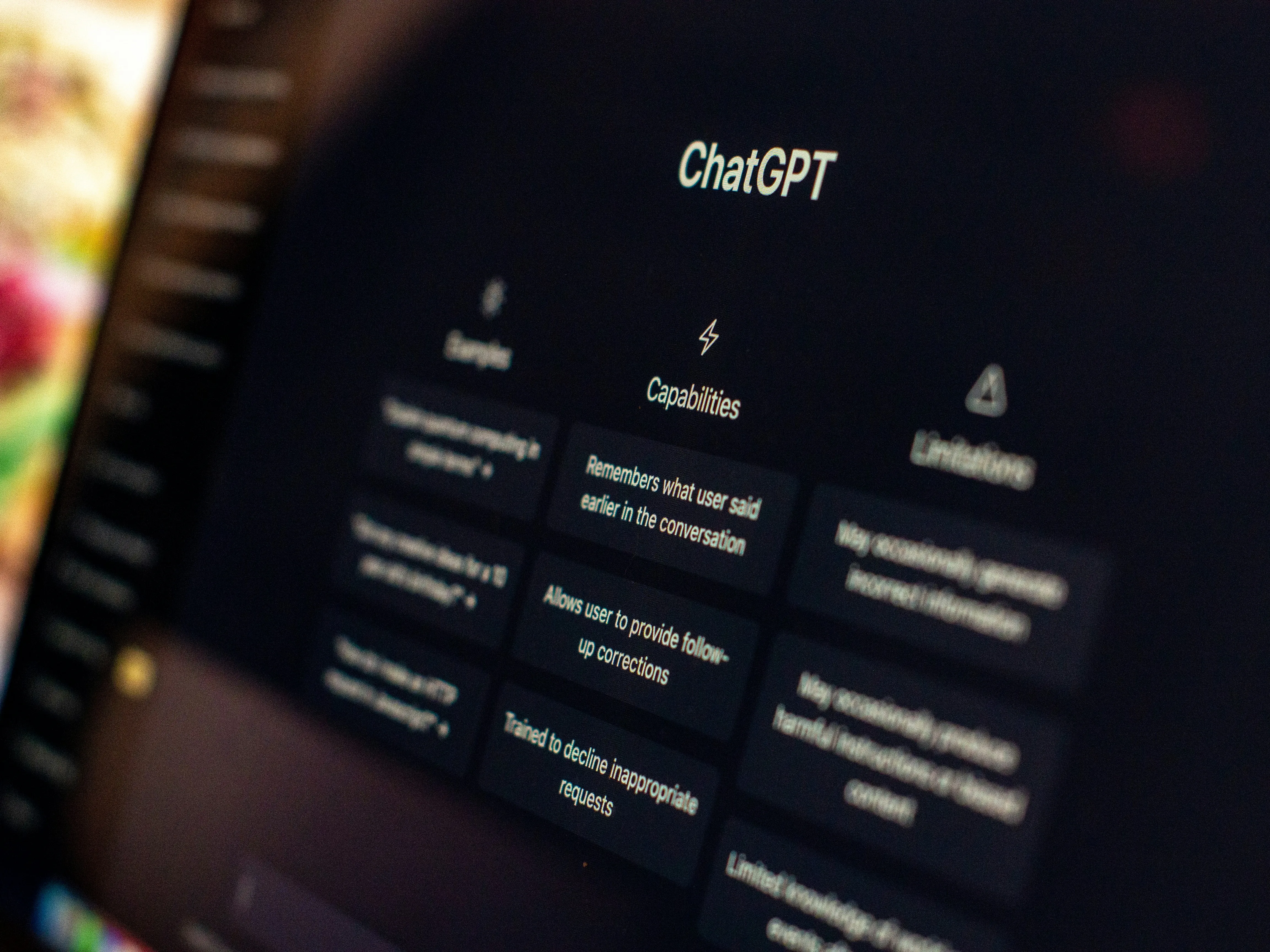
The real impact of ChatGPT Ads on traditional SEM is not that search advertising will disappear overnight. It is that the place where high-intent demand is created, clarified, and distributed is moving from the search box into the chat window.
For years, advertisers have waited for users to reveal intent through keywords. Now, some users will first use ChatGPT to break down a problem, compare options, screen vendors, and only then decide whether to search, click, or request a quote.
SEM will still matter. What it is losing is exclusive control over the high-intent entry point.
For global companies, this changes the timing of marketing competition. ChatGPT Ads pushes the battle upstream into the decision context itself, and that will eventually force teams to rethink how budget is allocated.
In the early hours of May 6, 2026, OpenAI made a major update: ChatGPT Ads Manager officially opened registration and campaign access to U.S. businesses. Earlier this year, in January, OpenAI had already been testing ads in conversations with Free and Go users. That closed pilot was mainly run through OpenAI directly or through agencies, with a minimum spend of $250,000. Now that the test has ended, the minimum spend has dropped to $50,000.
That threshold is still not low, but it moves the channel from a small group of large-brand experiments into a stage where more global advertisers can seriously evaluate it. ChatGPT currently has 900 million weekly active users and around 50 million paid subscribers. What is opening up is not just another pool of media inventory. OpenAI is commercializing the conversational entry point.
High intent no longer lives only in keywords
Traditional SEM is built on a stable assumption: the user already knows what they are looking for and is willing to express that need through keywords. Advertisers bid on those keywords, group them into account structures, write ad copy, build landing pages, and optimize based on conversion data. The system is mature, measurable, and relatively controllable.

AI conversations stretch the way demand is expressed. A user may not simply search for best CRM software or industrial valve supplier. They may describe company size, budget constraints, regional compliance requirements, system integrations, procurement cycles, and then ask ChatGPT to compare solutions, recommend vendors, or prepare an RFP checklist. The commercial intent has not disappeared. It has changed from a short keyword into a continuous context.
That creates structural pressure on SEM. Search ads can still capture demand that has already formed, but they may no longer define that demand. If the user has already been educated, filtered, and presented with a shortlist before they search, SEM receives traffic later in the journey. Advertisers used to compete for position on the search results page. Now they also need to compete for how, and whether, they appear inside AI conversations.
ChatGPT Ads is closer to intent-scenario advertising than to a simple copy of keyword advertising. Whether an ad appears, and whether it is accepted, depends on the problem the user is trying to solve, the constraints revealed in context, and how well the brand’s message fits the conversation.
The shortlist stage will change first
Advertisers are likely to misread ChatGPT Ads if they view it only through an SEM lens. They will ask about CPC, CPA, ROAS, and whether the platform can absorb existing category-term budgets. Those questions matter, but the first round of testing should start with a more basic question: can the brand enter the buyer’s evaluation context?

Do not ask only whether ChatGPT Ads can replace existing search spend. Ask whether it can help the brand make the shortlist.
The early value of ChatGPT Ads is likely to concentrate around shortlist formation. This is especially important for global B2B companies, where customers rarely convert after one click. The critical moment often happens earlier: how buyers understand the problem, how they compare approaches, and how they decide which three to five vendors deserve internal review. Those steps shape whether later clicks have any chance of converting.
In the past, brands entered the shortlist through SEO rankings, trade media, events, sales relationships, Google search results, and remarketing. Once the AI conversation entry point is added, users may ask ChatGPT to explain a category, generate comparisons, and screen suppliers before they ever visit a website. If an ad appears at that stage, it can influence how users define their selection criteria. The click becomes only one of the later actions.
This also makes last-click attribution less useful. Consider an equipment maintenance SaaS company targeting multi-site manufacturers in North America. A typical lead might first ask ChatGPT how to reduce equipment downtime across multiple plants, encounter a solution during that conversation, later search for the brand on Google, visit the website, and then schedule a demo with sales two weeks later. A traditional SEM attribution model may credit the brand search or direct visit. The real incremental moment happened earlier, when the AI conversation put the brand into view.
For global advertisers, this means creative and landing pages need to change. SEM landing pages are often built around keywords, features, pricing, forms, and strong calls to action. ChatGPT Ads requires stronger scenario explanation: who the product is for, which constraints it fits, why it is relevant, and how it differs from alternatives. In a conversation, advertising is not only intercepting demand. It is helping complete the buyer’s judgment process.
Keyword-account thinking will misread AI ads
If marketers manage ChatGPT Ads with a keyword-account mindset, they may both underestimate and overestimate the channel.

They may underestimate it because many conversations do not look like conventional search queries. Advertisers may assume the traffic is not precise enough. In real buying situations, however, the most valuable intent is often hidden inside a chain of constraints: budget range, deployment region, industry qualifications, team size, and the reason the buyer wants to replace an existing system. Those signals can be closer to a purchase decision than any single keyword.
They may also overestimate it. Seeing 900 million weekly active users and an open ads manager, advertisers may be tempted to treat ChatGPT Ads as a new performance machine and expect it to immediately replicate mature SEM CPA benchmarks. That is not realistic. Platform rules, ad formats, measurement capabilities, user acceptance, and sales handoff models are still being formed.
Digiday reported that OpenAI is promising capabilities such as third-party measurement and CPA bidding. That shows the platform is moving toward performance advertising infrastructure. But companies should not treat it as a fully mature SEM system yet.
A more practical view is that ChatGPT Ads will change budget conversations before it rewrites every media plan. It forces marketing teams to answer a question that SEM has often obscured: are we buying keyword traffic, or are we competing for the right to shape how the customer defines the problem?
With a $50,000 minimum, build an AI ads experiment allocation first
Now that the minimum spend has dropped from $250,000 to $50,000, ChatGPT Ads deserves a place on the testing roadmap for global advertisers. But testing is not the same as budget migration. Mature SEM accounts still support stable acquisition, brand defense, category demand capture, and remarketing conversions. They should not be weakened simply because a new platform has opened up.
The better approach is to manage ChatGPT Ads as an independent experiment channel. Funding can come from growth experiments, new-market validation, shortlist-entry initiatives, or complex category education budgets. Avoid cutting directly from high-confidence brand terms and core category terms. This prevents teams from judging a still-developing entry point too early using the short-term ROI standards of a mature performance channel.
The experiment should extend beyond media buying. Teams need to identify which customer questions are suitable for AI conversations, rewrite value propositions around scenarios rather than keywords, and build cross-channel attribution. They should observe whether ChatGPT Ads drives more brand searches, deeper website visits, higher-quality forms, and better-informed sales conversations.
For global B2B companies, especially those with high contract values, long buying cycles, and products that require significant explanation, the value may appear earlier. These buyers already need extensive information synthesis, and AI conversations naturally support problem breakdown and solution comparison. The sooner advertisers align content, sales messaging, and landing pages with these conversational scenarios, the more likely they are to build an early advantage in the new entry point.
Over the next quarter, global advertisers should prioritize tests in high-ACV B2B categories and products with high explanation costs, such as SaaS that requires compliance or deployment context, industrial equipment, professional services, and new-market cold starts. Test budgets should be connected to sales follow-up. Sales teams should record in the CRM whether a lead mentions AI recommendations, solution comparisons, or ChatGPT as a source. Without that record, ChatGPT Ads can easily be erased by last-click attribution.